Voltage Bundles and Warranty Terms in Import Reviews
 0
0
 0
0
Reading glowingly positive reviews on international e-commerce platforms is a staple of modern online shopping. Whether you are eyeing a specialized Japanese rice cooker, an American power tool, or a European espresso machine, 5-star ratings often give buyers the confidence to click “Buy.”
However, e-commerce reviews evaluate product performance and build quality strictly within the reviewer’s native country. They almost never account for destination electrical standards, frequency variations, or regional warranty exclusions. Plugging a single-voltage overseas appliance into your local wall outlet based purely on a positive review can result in instant thermal destruction of the device, blown home fuses, or serious fire hazards.
To make safe cross-border purchases, you must learn to filter reviewer praise through local voltage physics, transformer necessities, motor frequency tolerances, and international warranty policies.
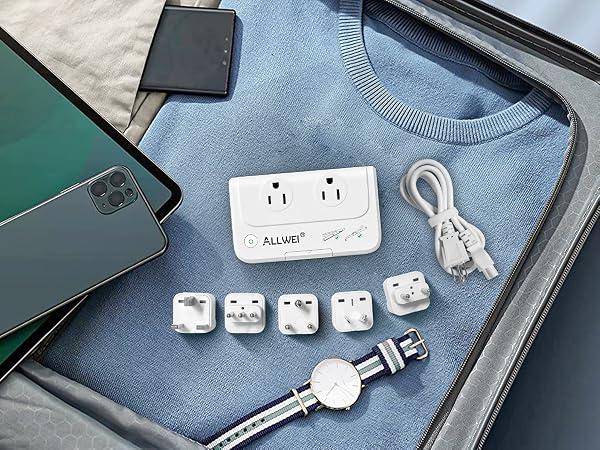
Dissecting review bias: Why 5-star ratings ignore local power grids
The primary hazard of relying on overseas product reviews is the invisible assumption of power grid compatibility. A reviewer in the United States praising a blender’s motor power is operating on a 120V / 60Hz electrical grid. If a buyer in Europe, Asia, or Australia – where wall outlets supply 220V–240V at 50Hz – plugs that same blender directly into the wall, the doubled voltage will immediately fry the internal circuit board.
The lethal confusion between plug pin adapters and voltage transformers
The most dangerous mistake cross-border shoppers make is assuming that a cheap plastic travel adapter solves all compatibility issues.
A plug adapter only alters the physical shape of the metal pins to fit your wall socket. It contains zero electrical circuitry and does not convert voltage. Plugging a single-voltage 110V appliance into a 220V socket via a simple pin adapter routes twice the intended voltage directly into the device. For electronic appliances, this causes instant short circuits and smoke. For heating elements, it causes rapid overheating and fire.
Identifying dual-voltage specs vs. single-voltage locks
Before trusting any review, inspect the official product specification sheet or the physical nameplate label on the device. Look specifically for the power input rating:
- Dual-Voltage / Universal (Safe with Pin Adapter): Marked as 100–240V ~ 50/60Hz. The internal power supply automatically adjusts to any global grid.
- Single-Voltage (Requires Transformer): Marked strictly as 110V–120V ~ 60Hz or 220V–240V ~ 50Hz. These devices require an active step-down or step-up voltage transformer.
Hardware safety matrix: Adapters, step-down transformers, and native grids
To determine what physical hardware you need to safely operate an imported appliance, refer to this operational compatibility matrix:
| Device power specification label | Destination grid voltage | Required conversion hardware | Operational risk & safety level |
| 100–240V ~ 50/60Hz (Universal) | 220V–240V (Europe/Asia) | Simple passive plug adapter | Safe. Internal power supply handles voltage switching automatically. |
| 110V–120V ~ 60Hz (Single-Voltage) | 220V–240V (Europe/Asia) | Active step-down voltage transformer | High Risk. Using a cheap pin adapter without a transformer causes instant fire/destruction. |
| 220V–240V ~ 50Hz (Single-Voltage) | 110V–120V (North America) | Active step-up voltage transformer | Low Risk of Fire. Device will underperform or fail to power on entirely without a transformer. |
| High-Wattage (1500W+) 110V | 220V–240V (Europe/Asia) | Heavy-duty transformer (Rated 2x peak) | Critical Risk. Small transformers will melt; requires a heavy 3000W step-down unit. |
The frequency trap and motor performance degradation
Even when voltage is properly converted using a step-down transformer, cross-border buyers frequently encounter a secondary technical trap: electrical frequency (Hertz / Hz).
Resistive heating loads vs. inductive motor loads (50Hz vs. 60Hz)
Electrical grids in North America and parts of Japan run at 60 Hz, whereas Europe, most of Asia, and Africa operate at 50 Hz.
For resistive heating loads – such as basic electric kettles, curling irons, or toaster ovens – the frequency difference is largely negligible. However, for inductive AC motor loads – such as blenders, food processors, hair clippers, power tools, and analog clocks – the motor’s rotational speed is synchronized directly to the grid frequency. Operating a 60Hz motor on a 50Hz grid causes the motor to run 17% slower, lose mechanical torque, generate excess internal heat, and prematurely burn out its internal copper windings.
Grounding pin hazards on metal-chassis appliances
Imported appliances often feature three-prong grounded plugs (Type B, G, or I). Bypassing the third grounding pin using cheap two-prong adapters on metal-chassis appliances (like espresso machines or waffle irons) eliminates the ground fault protection path. If an internal wire touches the metal casing, the entire outer chassis becomes energized, creating a severe electric shock hazard.
Hidden financial risks: Regional warranty voids and customs liabilities
Beyond electrical physics, product reviews completely ignore the post-purchase administrative and financial realities of cross-border e-commerce.
A glowing review praising a manufacturer’s “1-year warranty” is almost always referring to local, domestic coverage. Major global brands operate under territorial warranty limits. If you import a laptop or camera from a US seller into Europe or Asia, local authorized service centers will reject warranty claims due to a lack of local tax invoices and regional part mismatches.
Furthermore, product reviews praise the item’s purchase price without factoring in landed costs:
- Import Tariffs and VAT: Customs agencies frequently assess local Value-Added Tax (VAT) and import duties upon arrival, adding 20% to 50% to the final cost.
- Return Shipping Logistics: If an imported item arrives defective, cross-border return shipping fees and customs re-clearance costs frequently exceed the original purchase price of the device.
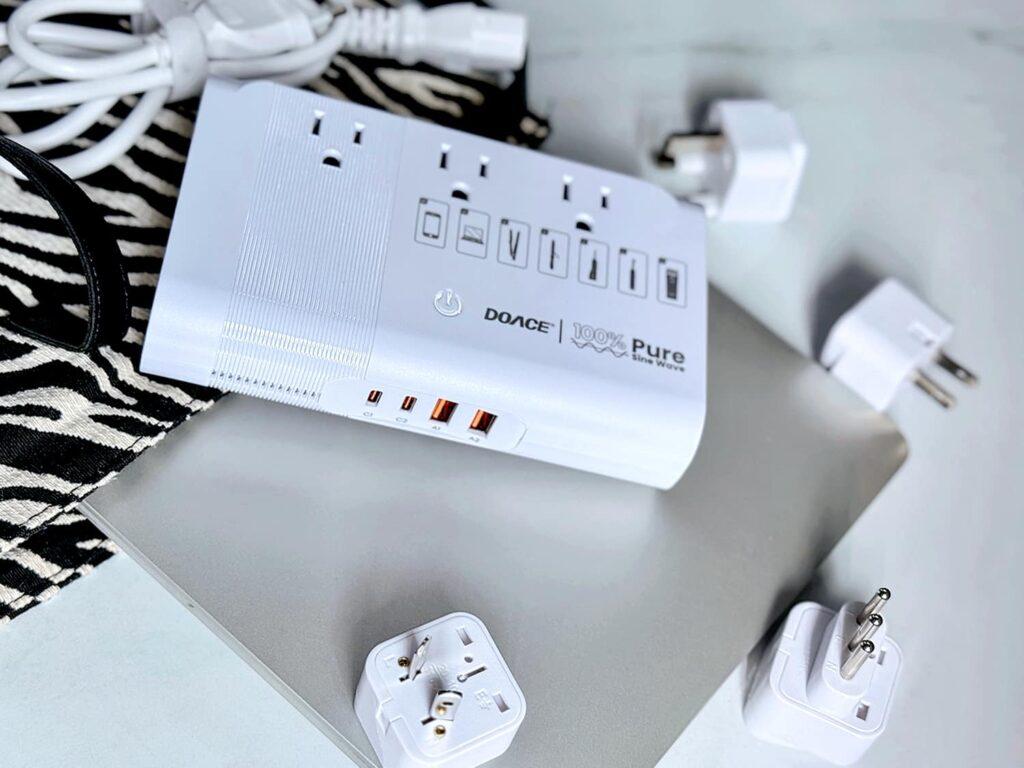
Frequently asked questions about imported electronics
Can I use a step-down transformer for high-wattage kitchen appliances like espresso machines or hairdryers?
Yes, but you must calculate wattage overhead. High-wattage appliances (1200W to 2000W) draw heavy initial surges. Your step-down transformer must be rated for at least double the peak wattage of the appliance. Using a 1500W transformer on a 1500W coffee maker will cause the transformer to overheat, blow fuses, or melt its casing.
Why did my imported shaver or toothbrush charge fine at first but stop working after a few weeks?
This slow death is caused by thermal degradation inside unrated internal charging transformers. Plugging a 110V charger into a 220V outlet via a cheap pin adapter forces the small internal transformer to operate at double its thermal threshold, gradually frying the internal circuitry over several weeks.
Is an overseas seller legally required to pay return shipping if an imported item arrives defective?
Not automatically. While major platforms (like eBay or Amazon) offer buyer protection programs, international return policies often stipulate that the buyer pays return shipping unless the seller explicitly offered a prepaid global return label.


